




Israel “Reluctantly” Accepts Ceasefire Amid Internal Outrage
The 14-day ceasefire agreement reached between Iran and the United States has reportedly sparked intense anger and frustration within the Israeli government and its military establishment.
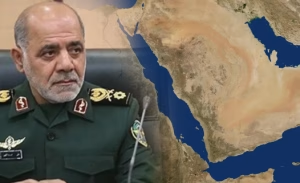
While Israel had meticulously finalized plans to strike and dismantle critical military targets within Iran, President Trump’s sudden announcement has effectively halted those operations, leaving Israel’s strategic objectives in a state of limbo.
Forced Compliance and Strategic Concerns
Despite public statements of support for the U.S. administration, high-level intelligence suggests that Israel is complying with the truce only under significant pressure from Washington.
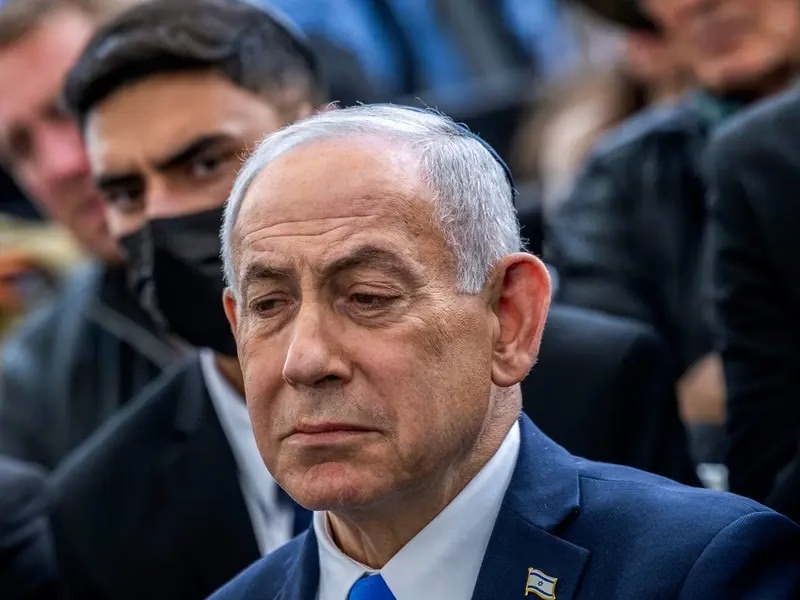
- A “Reluctant” Participant: Although Prime Minister Netanyahu previously stated he would respect Trump’s leadership, sources indicate that the Israeli cabinet is “deeply unhappy” with the diplomatic shift.
- A Second Chance for Iran: Israeli security officials have voiced grave concerns that providing Tehran with a two-week window will allow the Iranian military to regroup, fortify their defenses, and relocate key assets.
- Security Interests: Critics within the Israeli defense establishment argue that this diplomatic move prioritizes American political goals over Israel’s immediate security needs.
The Diplomatic Pressure
The reports suggest that Israel now finds itself in a difficult position—forced to suppress its military instincts to maintain its vital alliance with the United States. While the ceasefire is officially in effect, the underlying tension suggests that Israel remains highly skeptical of Iran’s intentions during the upcoming negotiations in Islamabad.
For now, the Israeli military has been ordered to stand down from direct strikes on Iranian soil, though readiness remains at an all-time high as they monitor the situation with extreme caution.